

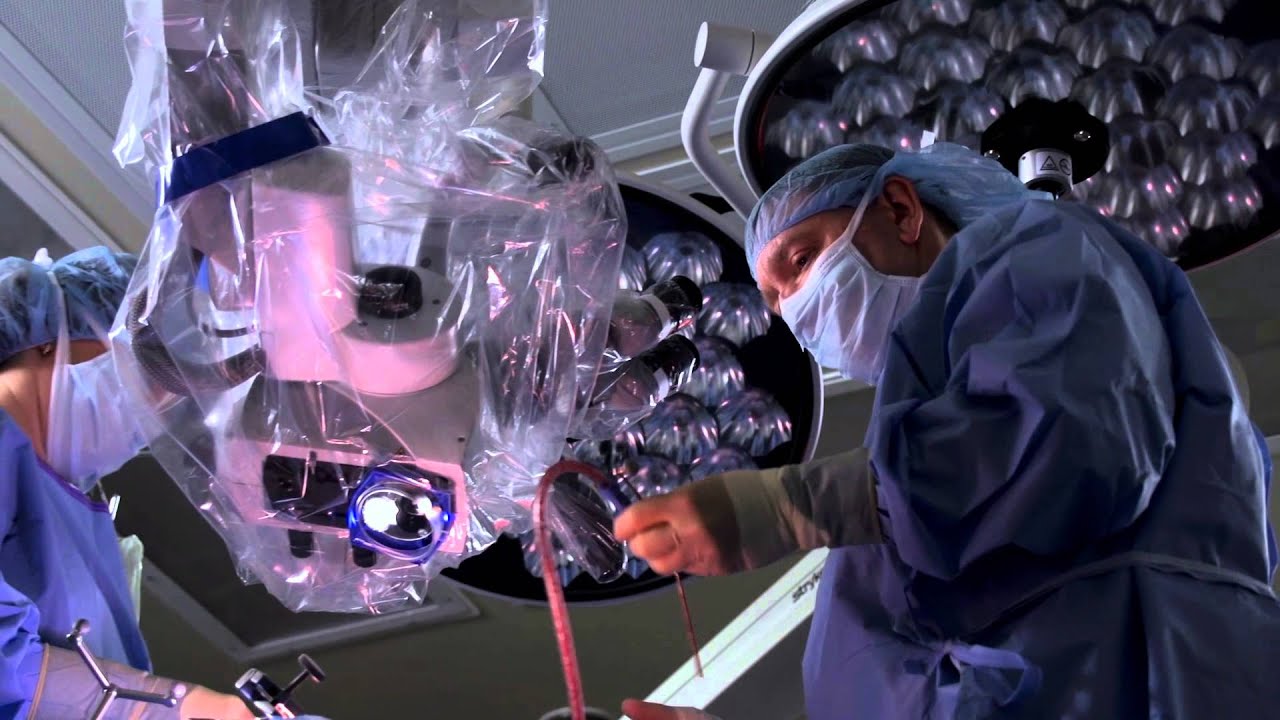
Stroke is one of the leading causes of death and long-term disability worldwide. In India, the growing burden of neurological disorders has highlighted the urgent need for advanced stroke diagnosis, treatment, and rehabilitation systems. This is where neurovascular interventions are transforming healthcare by offering minimally invasive and highly effective treatment options for complex brain and vascular conditions.
The Society of Neurovascular Interventions was established to bring together specialists passionate about neurovascular interventions and stroke care on a single collaborative platform. The organization focuses on advancing academic excellence, research, training, and awareness in this rapidly evolving medical field.
Understanding Neurovascular Interventions
Neurovascular interventions are specialized minimally invasive procedures used to diagnose and treat diseases affecting the blood vessels of the brain, spine, head, and neck. These procedures are commonly performed by neuro interventionists, neuro radiologists, neurologists, and neurosurgeons using advanced imaging guidance.
Unlike traditional open surgeries, neurovascular interventions use catheters and tiny devices inserted through blood vessels, reducing recovery time, minimizing surgical risks, and improving patient outcomes.
These interventions are widely used for treating:
- Acute ischemic stroke
- Brain aneurysms
- Arteriovenous malformations (AVMs)
- Carotid artery stenosis
- Vascular malformations
- Intracranial bleeding conditions
Why Early Stroke Treatment Matters
A stroke occurs when blood flow to the brain is interrupted. Every minute during a stroke can result in the loss of millions of brain cells. Immediate medical attention is critical to reduce brain damage and improve survival rates.
Modern neurovascular procedures such as mechanical thrombectomy have revolutionized stroke treatment. In this procedure, specialists remove blood clots from blocked arteries in the brain using advanced catheter-based technology. This treatment has significantly improved recovery outcomes for patients suffering from acute ischemic stroke.
The Society of Neurovascular Interventions aims to spread awareness among healthcare professionals and the public about the importance of timely stroke recognition and intervention.
Objectives of SNVI
The primary mission of the Society of Neurovascular Interventions is to strengthen neurovascular care and stroke management across India. The society works collectively to support education, research, collaboration, and professional development in the field.
Some of the key objectives include:
- Promoting awareness about neurovascular interventions and stroke care
- Creating structured academic discussions and training programs
- Developing fellowship programs in neurovascular interventions
- Encouraging scientific research and publications
- Collaborating with international experts and medical societies
- Formulating treatment guidelines suitable for the Indian healthcare system
These initiatives help bridge the treatment gap and improve access to advanced neurovascular care in India.
Advancements in Neurovascular Technology
Over the years, technological innovation has significantly improved neurovascular treatments. Today, specialists use advanced imaging systems, stent retrievers, flow diverters, embolization coils, and robotic-assisted technologies to perform precise interventions.
Some major advancements include:
Mechanical Thrombectomy
A life-saving procedure used to remove clots in patients with acute ischemic stroke.
Flow Diversion Devices
Used to treat complex brain aneurysms by redirecting blood flow away from weakened vessels.
Endovascular Coiling
A minimally invasive treatment for aneurysms that prevents rupture and internal bleeding.
Advanced Brain Imaging
Modern imaging techniques allow rapid diagnosis and faster treatment planning during emergencies.
These innovations continue to improve patient safety, treatment success rates, and long-term neurological recovery.
Importance of Training and Collaboration
Continuous medical education and collaboration are essential in a highly specialized field like neurovascular intervention. SNVI actively works toward building a strong academic and professional community by organizing conferences, workshops, and training programs across India.
The society also encourages interaction with international experts to ensure Indian practitioners stay updated with global standards and emerging treatment techniques.
Building Awareness About Stroke in India
Public awareness remains one of the biggest challenges in stroke care. Many patients fail to recognize stroke symptoms early, resulting in delayed treatment.
Common warning signs of stroke include:
- Sudden weakness or numbness on one side of the body
- Difficulty speaking or understanding speech
- Sudden vision problems
- Loss of balance or coordination
- Severe headache without known cause
Healthcare organizations and societies like SNVI play a critical role in educating communities about stroke prevention, early diagnosis, and emergency response.
The Future of Neurovascular Care
The future of neurovascular intervention in India looks promising with growing awareness, improved medical infrastructure, and advancements in minimally invasive technologies. Increased collaboration between specialists, hospitals, and healthcare organizations will further strengthen stroke management systems nationwide.
As research and innovation continue to evolve, neurovascular interventions are expected to become more accessible, precise, and effective, improving the quality of life for countless patients.
To learn more about the organization and its initiatives, visit SNVI India